Locally Owned, ISA-Certified Tree Service In Concord, NH
Concord homeowners deal with a specific mix of tree trouble each year, from brittle white pines that shed limbs in ice storms to mature oaks and maples whose root systems get compromised by construction or drought stress. Our crews carry ISA Certified Arborist credentials and hold TCIA membership, which means every removal, prune, or cabling job follows the same risk assessment before equipment ever touches bark. We run bucket trucks, spider lifts, and stump grinders rated for residential lots as well as tighter in-town parcels near downtown Concord. Most quotes are turned around the same day the crew walks the property, with a written scope so there are no surprises once the work starts.
Free On-Site Estimates
ISA Certified Arborists
24-Hour Storm Response
Fully Insured Crews
TCIA Member Company
Our Tree Services in Concord, NH
Ice storms, root failure, and hardwoods that have outgrown their planting sites are the problems that come up repeatedly in this part of New England. Every service below was built around those conditions.
Tree Removal
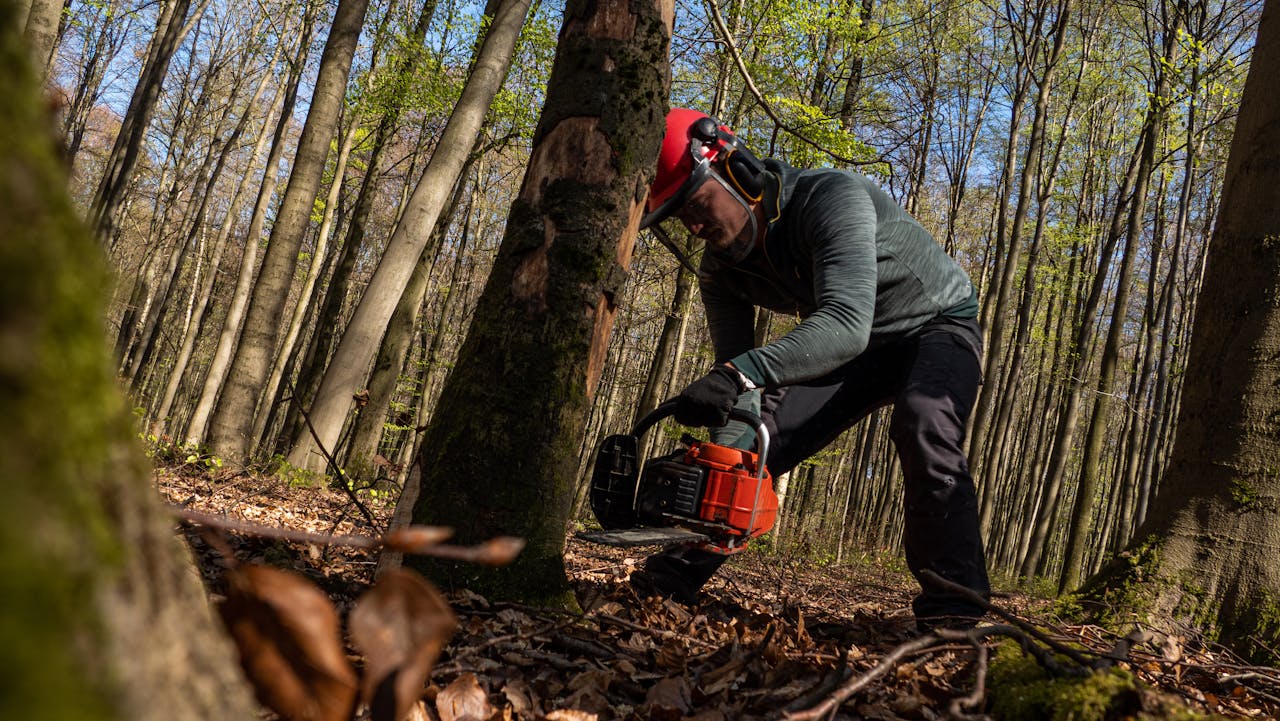
A tree leaning over a driveway after root rot sets in, or a storm-split trunk that's no longer structurally sound, both call for a controlled takedown rather than a guess. Our crew sections the tree from the top down using rigging and, when clearance allows, a bucket truck to keep debris off fences and roofs. You're left with a cleared area, split or chipped wood hauled away, and the stump ground flush if you choose that add-on. We handle trees from 20-foot ornamentals to 80-foot oaks growing within a few feet of power lines.
Tree Trimming
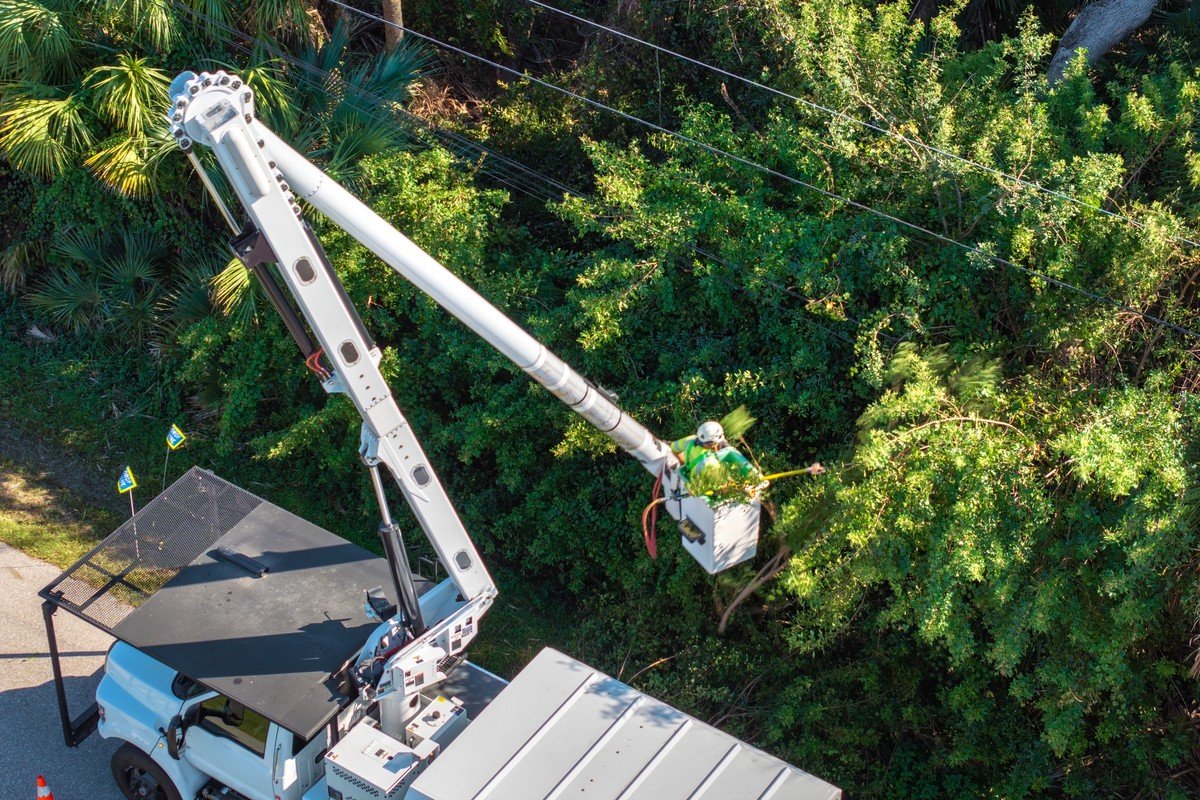
Overgrown canopies that block afternoon sun or scrape against siding usually trace back to a few seasons of skipped pruning. We use hand saws and pole pruners for detail work, then bring in a lift for anything above 25 feet so cuts stay clean and the tree's natural form holds up. Crown thinning improves airflow through the branches, which cuts down on fungal issues in Concord's humid summers. Deadwood removal is done on every visit at no extra charge, since dead limbs are the ones most likely to fail during wind events.
Stump Grinding
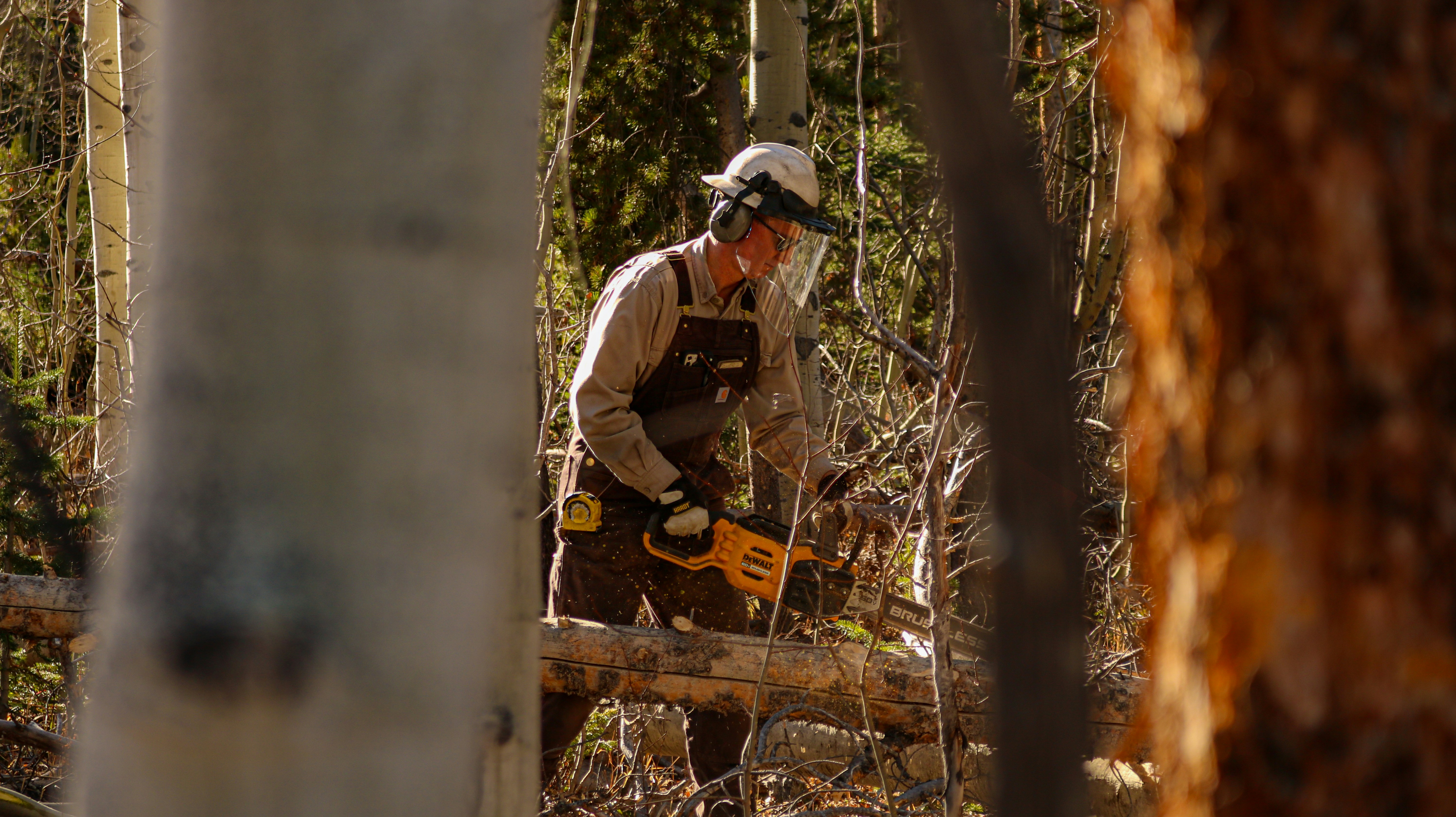
A stump left in the yard after a removal job becomes a mowing hazard and, over a few years, a home for carpenter ants working their way toward the house. Our grinder chews the stump down 6 to 12 inches below grade, depending on whether you're planning to replant nearby. The grindings get raked and can be left as fill or hauled off, and the root flare disappears so there's nothing left to trip over. We handle stumps up to 36 inches across without needing to bring in a second machine.
Tree Cabling
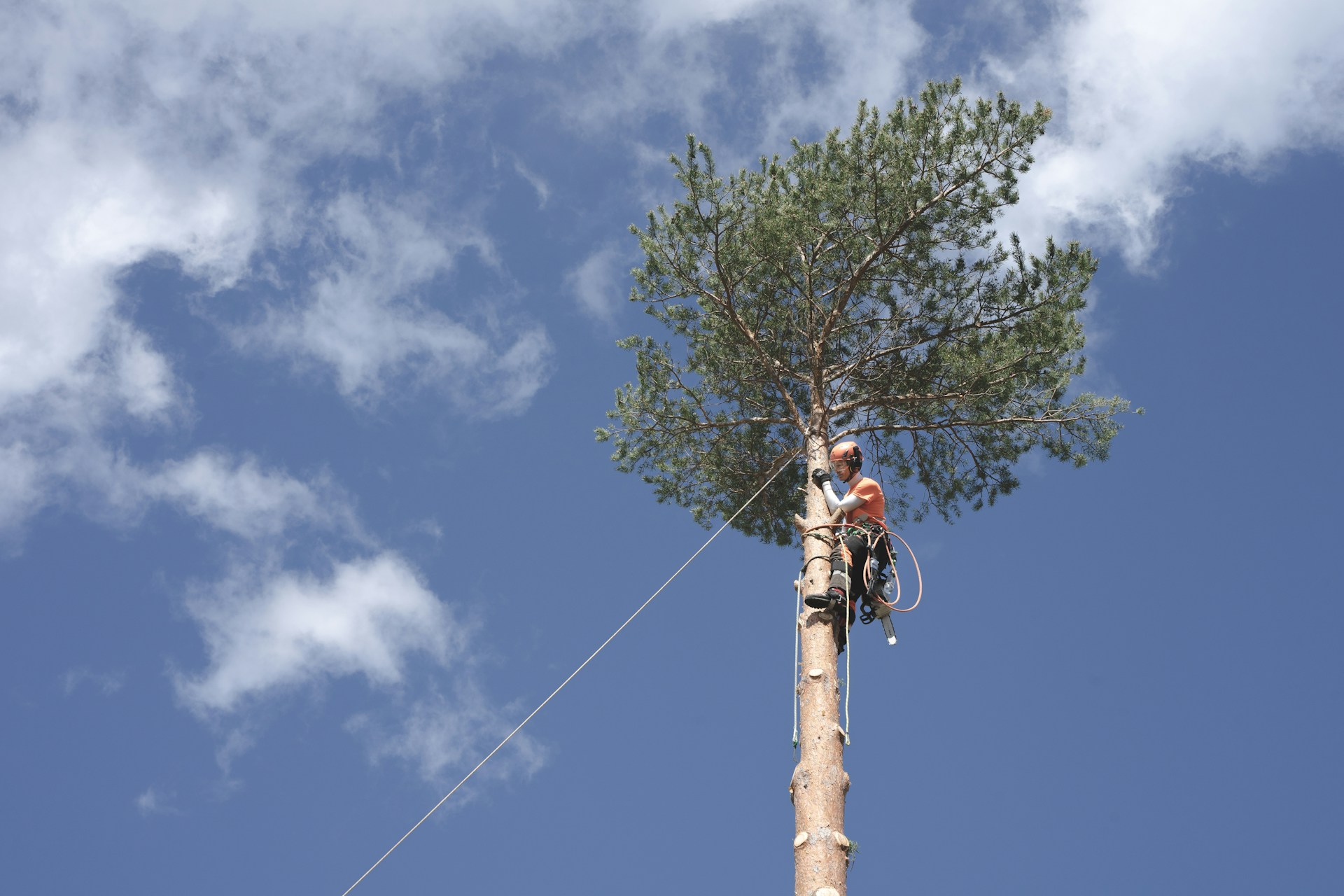
Codominant trunks and heavy horizontal limbs on older maples and oaks put a lot of strain on the wood at the point where they meet, and that's usually where a failure starts. We install steel cable systems higher in the canopy to redistribute that load, sometimes paired with a brace rod through the union itself for added support. The result is a tree that can stay standing through wind and ice loading instead of splitting at the weak point. Cabling is inspected on a return visit each year to confirm tension and hardware condition.
Emergency Tree Service
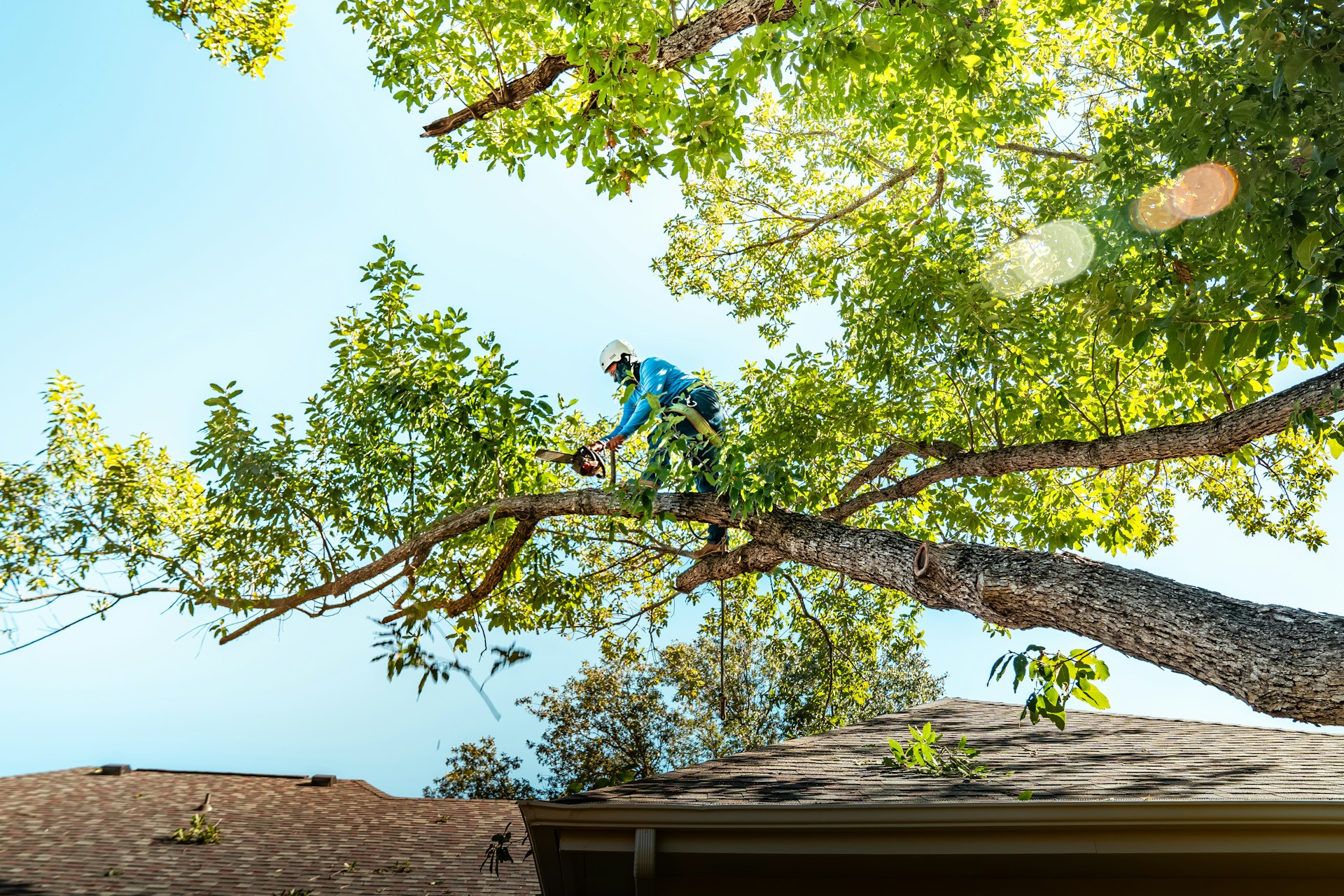
A tree down across a driveway at 2 a.m. during an ice storm doesn't wait for business hours, so our crews take emergency calls around the clock. We prioritize hazard mitigation first, meaning anything blocking an exit, resting on a structure, or threatening a power line gets addressed before cleanup begins. Once the immediate danger is cleared, we return to finish the removal and haul debris. Response times in and around Concord typically run under two hours for active hazards.
Arborist Service
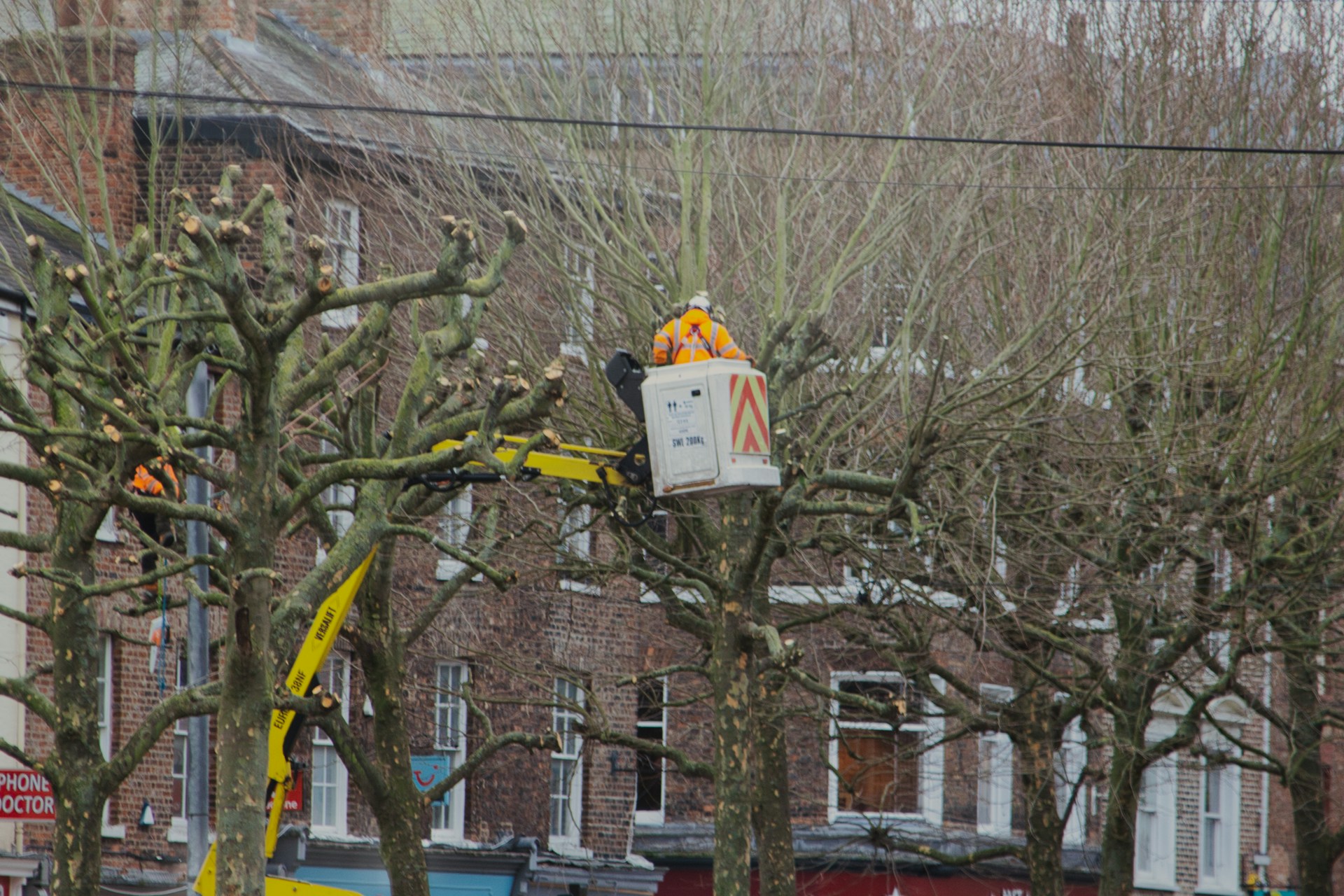
Not every tree issue needs a chainsaw, and sometimes the right call is a diagnosis rather than a cut. Our certified arborists inspect for signs of decay, pest activity like emerald ash borer galleries, or root compaction from nearby grading work, then put together a written care plan. That might mean a fertilization schedule, a pruning cycle, or monitoring instead of removal. Property managers and homeowners use these consultations before listing a property or ahead of nearby construction that could stress root zones.
Why Choose Us?
Every crew lead holds an active ISA certification, crews carry full liability and workers' compensation coverage, and every estimate lists scope, equipment, and cleanup in writing before work starts.
ISA Certified Arborists
Every crew lead holds an active ISA certification, which means tree risk assessments follow an industry-recognized standard rather than a guess based on how a trunk looks from the ground.
TCIA Member Company
Our membership in the Tree Care Industry Association ties us to safety and training standards that get audited, not just claimed on a website.
Fully Insured Crews
Proof of liability and workers' compensation coverage is available before any equipment shows up, which protects your property if something unexpected happens mid-job.
Local Storm Knowledge
Years of working through Concord's ice storms and microbursts means our crews know which species fail first and where the next hazard is likely to show up on your property.
Transparent Written Estimates
Every quote lists the scope, the equipment involved, and the cleanup plan in writing, so there's no renegotiating once the crew is already on-site.
Benefits of Professional Arborist Services
Correct pruning cuts, early disease detection, and documented risk assessments are what professional tree service in Concord, NH actually delivers, protecting both the tree and the property around it before a limb failure turns into a damage claim.
Early Disease Detection
An arborist spots fungal conks, canopy dieback, or insect frass on bark before the damage spreads to the rest of the tree, which often means the difference between treatment and removal.
Structural Risk Reduction
Cabling, bracing, and selective pruning reduce the chance of limb failure during wind and ice events, lowering the odds of damage to roofs, cars, or fences.
Long-Term Tree Health
Correct pruning cuts made at the branch collar heal faster and reduce the entry points fungi use to get into the trunk, extending the tree's working life.
Property Value Protection
Mature, well-maintained trees are one of the few landscape features that appraisers and buyers notice immediately, and a hazardous tree can do the opposite during an inspection.
Faster Storm Recovery
Having an established relationship with a tree crew before a storm hits means you're not competing with every other property owner in Concord for the same limited emergency slots.
Reduced Liability Exposure
A documented risk assessment on file gives homeowners and property managers a record showing reasonable care was taken, which matters if a limb failure ever leads to a damage claim.
Areas We Serve Near Concord, NH
Our crews cover the towns surrounding Concord regularly, which means faster scheduling and consistent access to crews already familiar with the tree species and storm patterns specific to this part of Merrimack County.
Frequently Asked Questions
Removal costs typically range from a few hundred dollars for a small ornamental tree to a couple thousand for a large oak near power lines or structures. Stump grinding is usually quoted separately and depends on trunk diameter. A site visit is the only way to get an accurate number, and estimates are free.
Yes, storm damage and hazardous leaners don't wait for a weekday appointment, so our crews take emergency calls around the clock. Hazard mitigation is handled first, with full cleanup scheduled once the immediate danger is cleared.
In practice the terms overlap, but our crews use trimming for general shape and clearance work and pruning for more targeted cuts aimed at tree health, like removing deadwood or correcting a codominant stem. Both are done using proper branch collar technique to help the tree heal.
It's usually quoted as a separate line item since not every customer wants the stump ground the same day. Grinding goes 6 to 12 inches below grade and includes the surface roots, so the area is left level enough to reseed or replant.
Every crew carries liability and workers' compensation coverage, and documentation is available on request before work begins. This protects your property and removes your liability if an on-site injury occurs during the job.
That call usually depends on the extent of internal decay, the percentage of dead canopy, and how close the tree sits to a structure or power line. An arborist consultation gives you a written assessment so the decision is based on the tree's actual condition rather than guesswork.
Learn More About Caring for Your Trees
Quick Links